

Urban Light, Chris Burden (1946-2015). Two-hundred and two restored cast iron antique street lamps. Los Angeles County Museum of Art.
Urban Light, Chris Burden (1946-2015). Two-hundred and two restored cast iron antique street lamps. Los Angeles County Museum of Art.


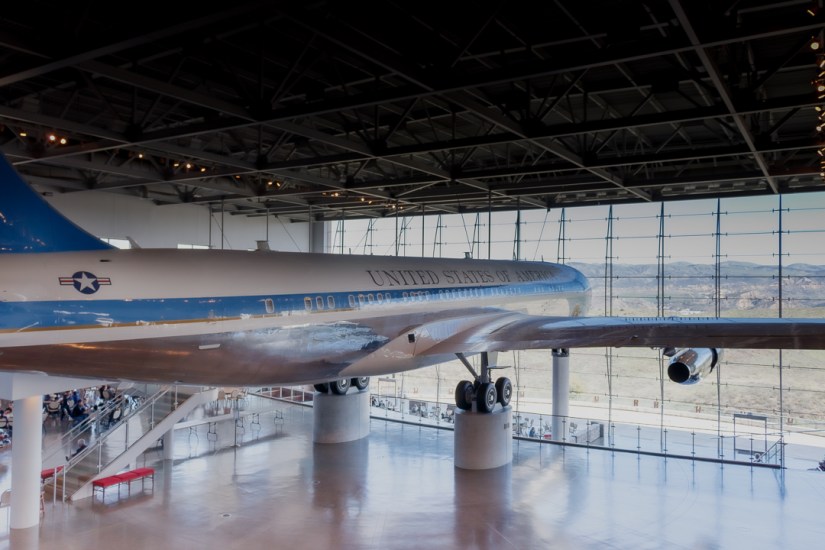
We made a visit to the Ronald Reagan Presidential Library in Simi Valley, California last year. It was surrounded by wildfires this morning, but saved from harm thanks to the brave firefighters who kept the flames away. Here are a few photos from our visit.
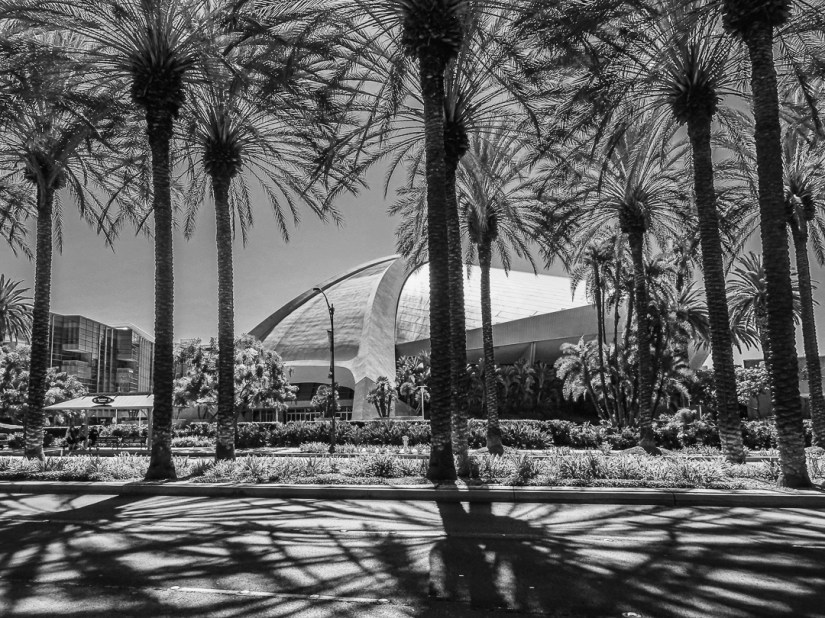
The dramatic Anaheim Convention Center, one of my favorite buildings in Orange County, was conceived and designed by Adrian Wilson & Associates in 1965, and built by Del E. Webb Corporation at a cost of $6.8 million. Visible under a layer of concrete are the 200-ton steel arches that peak at 112 feet above arena floor. The original configuration provided a total area of 375,000 square feet, with 100,000 square foot main hall.


Opened in July 1967, the domed building’s elliptical floor plan provided for up to 9,100-seats for performances (6,500 for circus or ice show, 7,800 for basketball, 8,500 for stage performance and 9,100 for boxing).
When opened, it was the fifth largest convention center in the U.S.
The original convention center project staff included Supt. M. D. Stevens; Mickey Brown, engineer; Woody Witaker, foreman; Tom Swann, assistant superintendent; Ed Konkol, office manager and Bob Sheer, project manager.
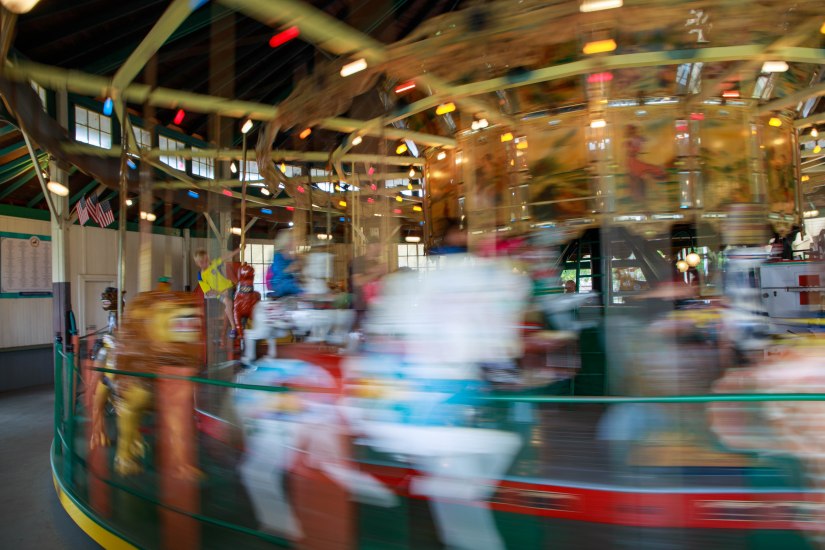
Built in 1910, this 100% authentic Herschell-Spillman carousel arrived in San Diego Balboa Park in 1922 and has been thrilling riders ever since.

We made a stop at Sunnylands in Rancho Mirage, California this morning to see an exhibition of Herb Alpert’s amazing art – from painting to sculpture – as part of “Reach for the Sky: Tradition + Inspiration”.
The exhibition blends the art by three generations of the Hunt family, members of the Kwakiutl tribe of British Columbia, Canada — brightly-colored totem poles, ceremonial masks, and wall plaques — with Alpert’s contemporary paintings and vertical, abstract bronze sculptures.
For all you kids out there…. Herb Alpert & the Tijuana Brass was a popular band in the 1960s that your parents (and grandparents) liked to listen to. Cameras weren’t allowed into the exhibition, so I snapped this vintage-style photo of the exterior of Sunnylands to help remember the experience.
The 200-acre property was owned by Walter and Leonore Annenberg as their private winter retreat beginning in 1966. Today, the estate is managed by the Annenberg Foundation. It’s a cool place to visit when you’re in the neighborhood.

Circuit of the Americas. Austin, Texas USA.
View from the main grandstand up into turn one.
While watching the PBS American Masters episode on the life, work and career of acclaimed photographer Pedro E. Guerrero, a photograph he created caught my eye.

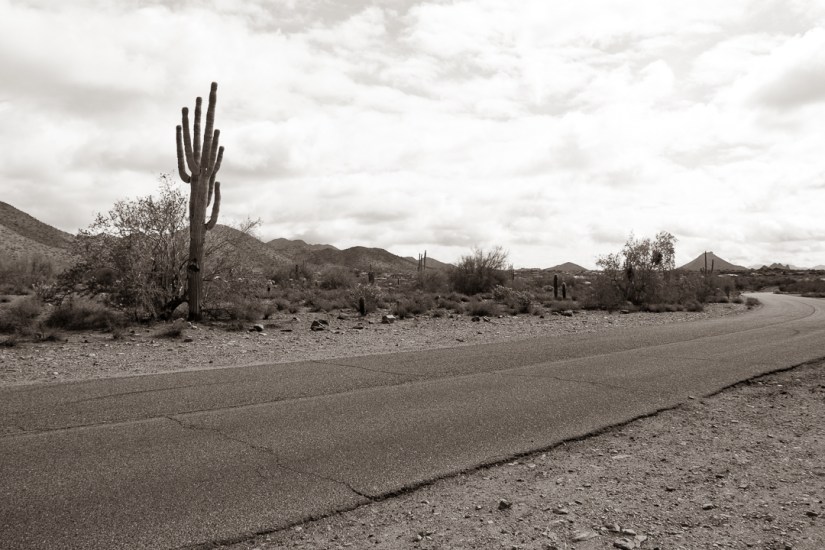
Guerrero’s photograph of Taliesin West, likely taken in the 1930s or 40s from the dirt road leading up to Taliesin West, showed a small saguaro cactus about two feet tall in the foreground along side the road.
My reaction was, “I think I have photos of that same cactus taken on my last visit to Taliesin West.” Sure enough, I did.
What was just a two foot cactus in Guerrero’s photograph had grown to be a towering giant well over 20 feet tall with seven “arms” extending to the skies. Even the three rocks shown in his original photo were still there, albeit the road has since been paved.
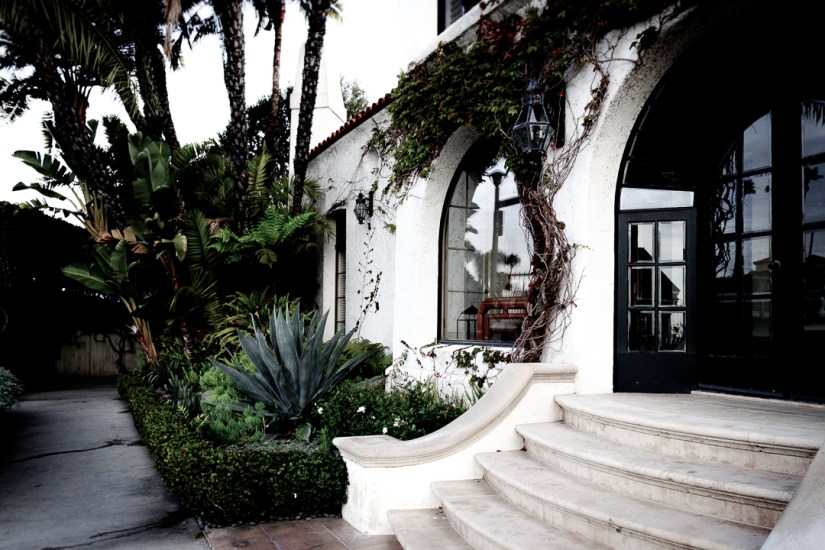
One of my favorite homes set along the canals of Naples Island, Long Beach, California.
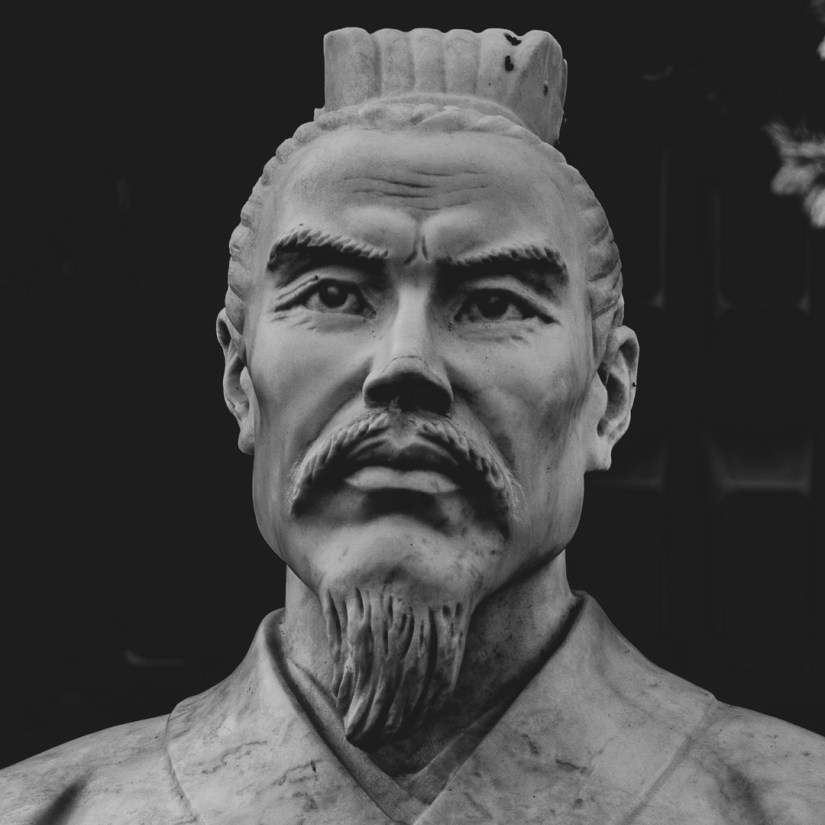
Jao Family Sculpture Garden at UC Irvine.
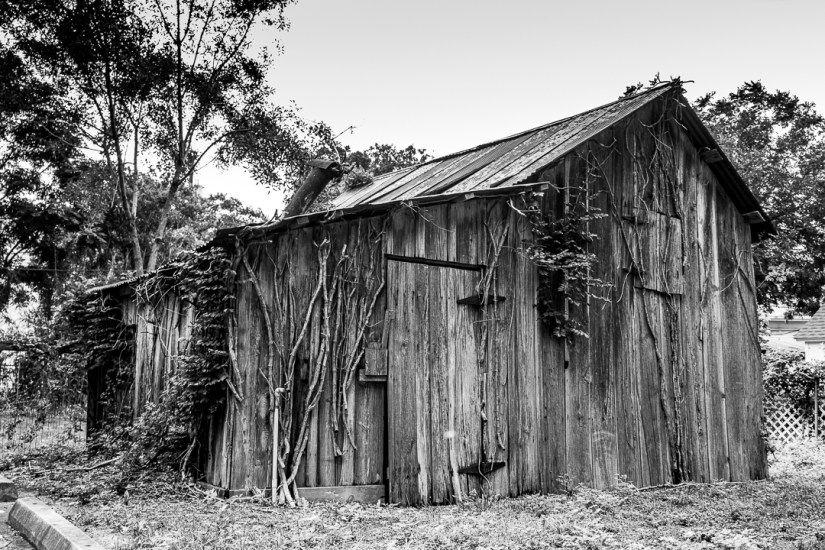
The old barn keeps hanging on in Texas, in a small town just north of Austin.
 danstiel.com
You must be logged in to post a comment.