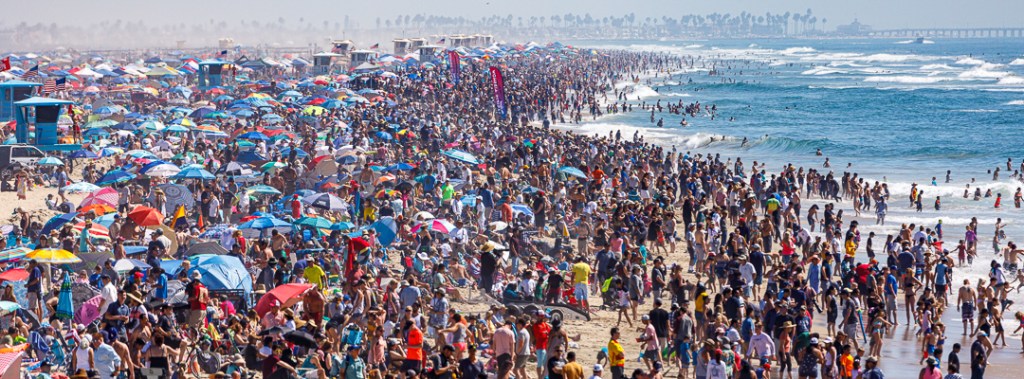
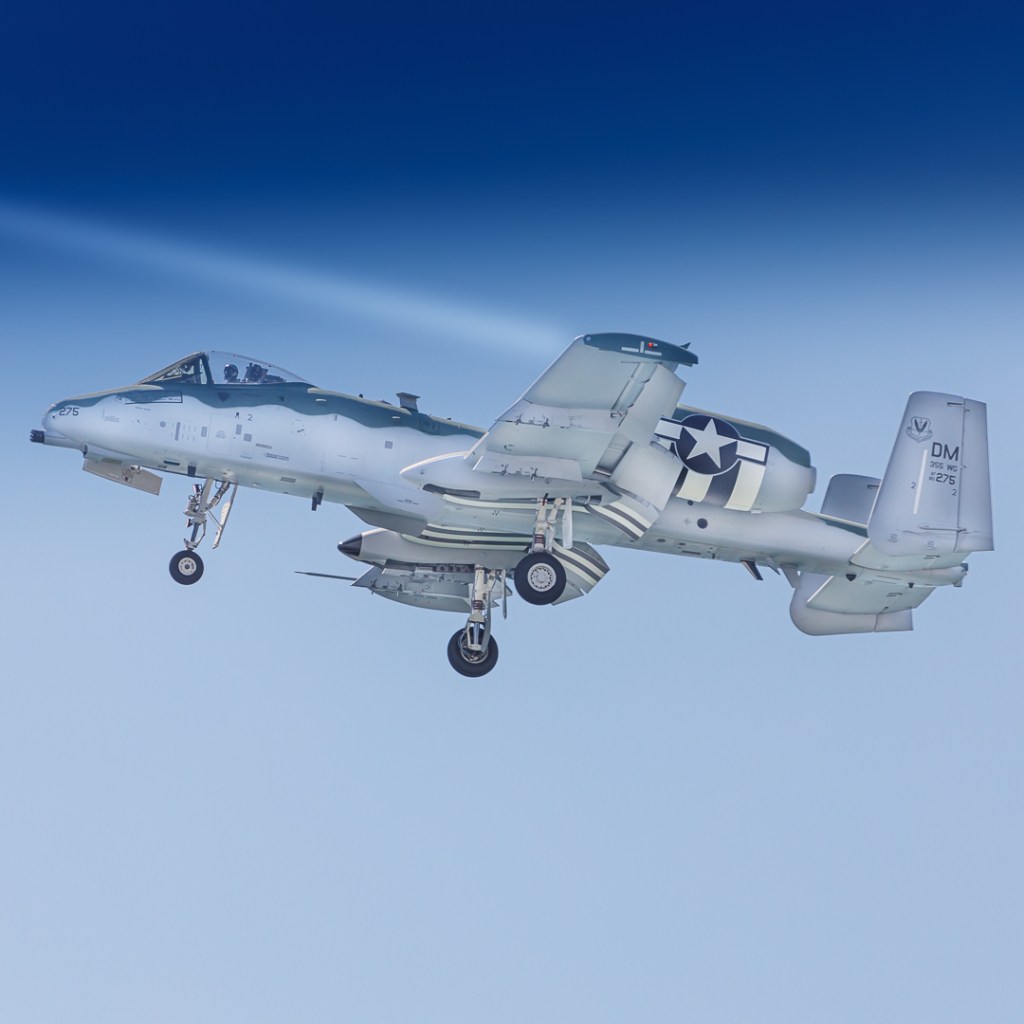
It’s air show season in Southern California! Next up this weekend is one of my all-time favorites… the Pacific Air Show in Huntington Beach starts Friday morning!
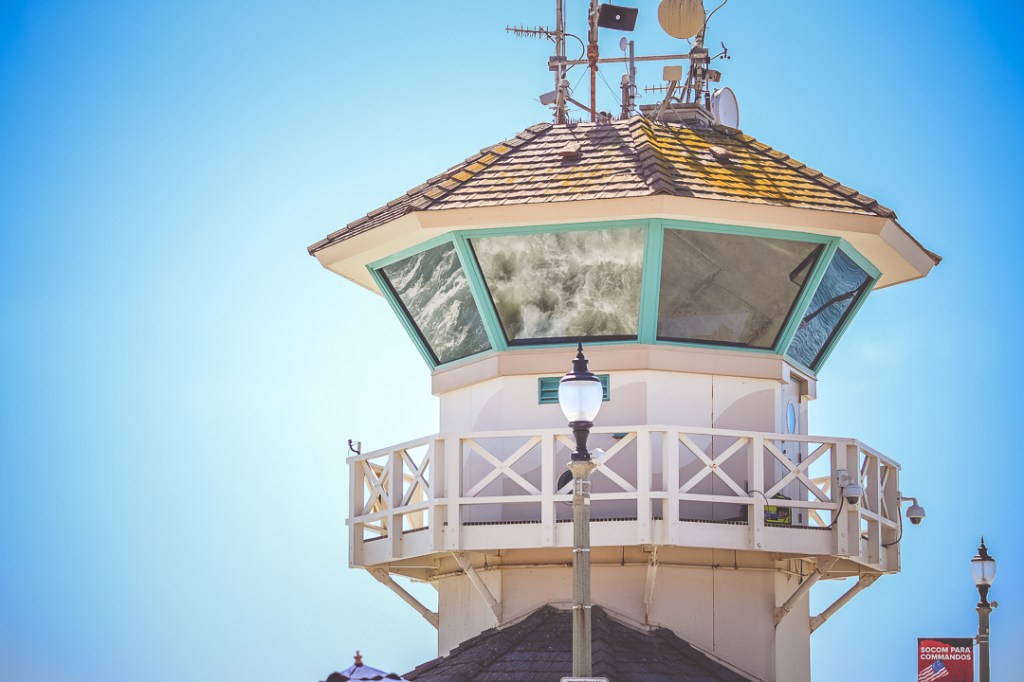
A few favorite photos from the 2019 Pacific Air Show
One event I’m looking forward to seeing is the Rum Run offshore powerboat race that begins off the Huntington Beach Pier and takes competitors across open ocean to Catalina Island, where they circle the entire island before returning to Huntington Beach for the finish. The race course covers 112 miles!
The last time I saw the Rum Run was thirty years ago in July 1992. I was a volunteer with the Pacific Offshore Powerboat Racing Association, helping to coordinate the media coverage of the event. Jim Duvall won the 1992 race, which began and finished in Long Beach that year. I’m looking forward to seeing those amazing boats and fierce competitors again!
She’s 26 feet tall and forever Marilyn. Seward Johnson’s sculpture in downtown Palm Springs was inspired by photographer Bruno Bernard, best known as “Bernard of Hollywood.” Bernard’s famous photograph of Marilyn Monroe, titled “Marilyn in White” captures her in her wind-blown dress from the movie The Seven Year Itch”. The photo was selected as the “Symbol of the Century” by the Museum of Modern Art in New York.
Bernard first photographed Marilyn at the Racquet Club in Palm Springs in 1947 when she was still Norma Jeane.
Her towering presence can be enjoyed in front of the Palm Springs Art Museum, where I captured this portrait.
I was one of those lucky marketing people who made a living getting involved in high profile advertising and promotional campaigns, including managing some amazing sports and special event sponsorships including Formula One, Summer Olympics, NBA, MLB, NASCAR, IndyCar, World Cup, NHL, Bassmasters… the list goes on.
After retiring from corporate life in 2017, I turned to photography to quell the need to create and participate. Soon, I was on assignment photographing some of America’s most beautiful landscapes, architecture, destinations, music festivals, and among other subjects, my favorite – beautiful automobiles.
One memorable photographic adventure was an opportunity to join one of the hottest car culture photographers around for a day of photographing the beautiful collection of legendary automobiles belonging to a certain gentleman named Jay.
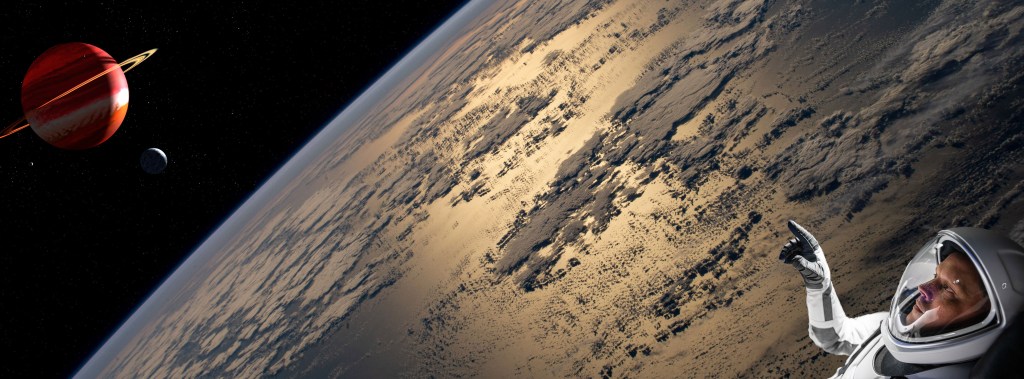
The composite photograph shown above is one way I remind myself the past was real. I wonder what tomorrow will bring.
4th of July Fireworks came early last night at the Fantasy Springs Resort near Palm Springs.
The wind was blowing hard across the Coachella Valley when the fireworks show started, so I thought the photos were going to be trash. Much to my surprise, the wind really made for some amazing fireworks shots! This is one of my favs.
Kudos to @fantasysprings and staff for hosting the show.
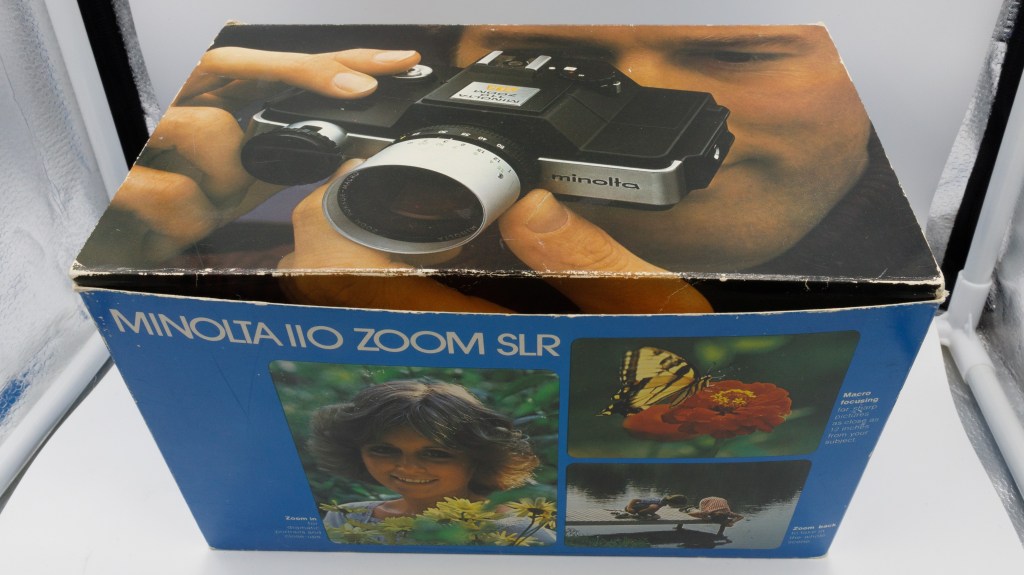
45 years later, here’s me imitating the photo seen on the original box.
Today is #NationalCameraDay – to celebrate, here’s a snap of me with my very first “serious” camera – the Minolta 110 Zoom SLR – Yes, I’ve had this very camera since 1976…
I bought the camera while working as a part-time intern in the marketing department at Bank of America in 1976 when my new boss asked if I had a good camera to take pictures during a visit to a few bank branches to document the merchandising displays. I fibbed and said I did, but I didn’t. So, after work I rushed down to the local “Ritz Camera” store to get a camera for the project. The salesman recommended the camera seen here, gave me a quick lesson on how to use it, and collected $196 from me – that’s almost $950 in today’s dollars – a lot of cash at the time for this starving college kid working part-time.
The Minolta 110 Zoom SLR was produced from 1976 until 1979. I still have photos taken with the camera over the next ten years.
The camera still works and 110 film cartridges are still sold, so I think I’ll buy a few rolls and give it a try.
The year was 1983 when I simultaneously bought a “state-of-the-art” KayPro II “portable” computer and enrolled in a Computer Science class at the University of Southern California. The class was required to earn a B.S. degree in Business Administration and I thought the computer would give me the edge, although I had no clue on how to use it.
The KayPro II computer was created by San Diego digital technology pioneer, Andrew Kay and built in a very busy factory in Solana Beach. The selling price was $1,595, plus tax – in 1982 dollars! That’s about $5,000 in 2022 dollars – a princely sum for a starving student like myself. Although, it did include a large dot matrix printer that could print 15 characters per second onto continuous feed paper.
The Kaypro II had 64 kilobytes of memory and two built-in 5.25 inch floppy drives. For comparison, there are 1,000,000,000 (yes, that reads one billion) kilobytes in 1 terabyte of today’s memory.
In the end, I used the computer as a word processor a few times, but never anything else. I sold it with the original carton, the printer, and all the paperwork for $500 at a garage sale in 1995.
By the way, I got a “C” grade in the computer science class.
British science fiction author Arthur C. Clarke using a Kaypro II in 1985. courtesy AP/Metro-Goldwyn-Mayer/United Artists
I recently learned the story of the 1972 Summer Olympic Games “pictograms” and the impact of the artist behind these iconic images.
Three artists were extraordinarily influential in the use of abstract pictograms to help inform, educate and guide athletes and spectators to the many venues and destinations during these massive sports spectacles, which attracted people from across the globe speaking many different languages. Masaru Katzumie and graphic designer Yoshiro Yamashita pioneered the original concept of pictograms for the Tokyo Olympics in 1964.
However, the pictograms created by Otl Aicher (1922–1991) for the 1972 Munich Summer Olympics Games’ iconography, visual language, and the event’s all-encompassing graphic schemes are worth a closer examination.
Otl Aicher’s designs for the 1972 Summer Olympics
Aicher was already a highly successful and influential German designer who had survived the horrors of Nazi Germany and was a co-founder of the Bauhaus-inspired Ulm College of Design. He embraced functionality and efficiency in design with all his commercial clients.
To achieve his personal goal to “maintain the positive aspects of Berlin while at the same time eradicating its negative connotations,” Aicher created a universal visual language through his pictograms that was used on virtually all visual Olympic communications including tickets, directional signage, programs, awards presented to competitors, and much more.
We’ll find that these innovative pictograms have been adopted and adapted almost universally around the world by other venues as a means to communicate across languages and cultures, especially at airports, transit lines, and other places where diverse crowds gather and transverse.
When successfully designed, these abstract shapes evoke a sense of reassurance and anticipation to the viewer trying to maneuver and find directions to a destination as they navigate through and towards unfamiliar territories and landscapes.








 danstiel.com
You must be logged in to post a comment.