Blog

Photography

Wrestling Camels

FLW_6002-1

The dust was flying as these two young camels spent most of the morning wrestling with each other, with special attention on grabbing and gnawing on each other’s toes.  It looked like it would hurt, but they seemed to love the game.


Photography

Museum Week: Museum of the Pacific War

Fredericksburg, Texas is the boyhood home of Fleet Admiral Chester W. Nimitz.

Nimitz served as CinCPAC, Commander in Chief, United States Pacific Fleet and later named Commander in Chief, Pacific Ocean Areas during World War II.


One of the top history museums in the United States, The National Museum of the Pacific War, located in Fredericksburg, features displays and presentations of some of the most notable aspects, history and events of WWII in the Pacific.

These are a few photos from our visit in 2018.

Photography

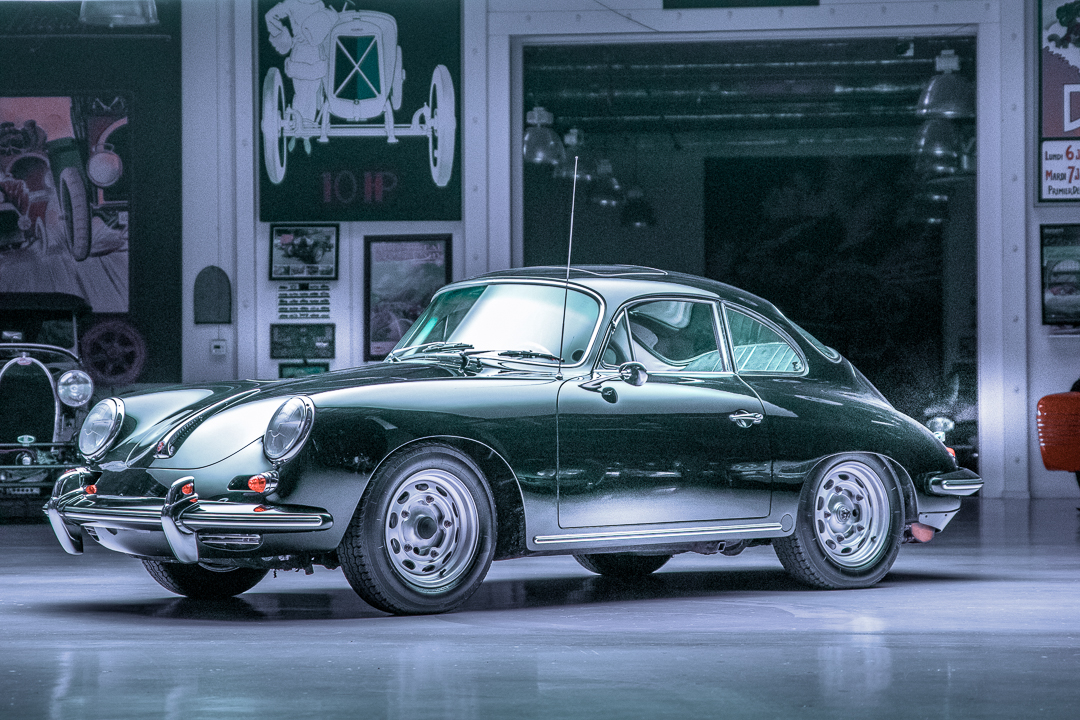
Museum Week: Petersen Automotive Museum

Chip Foose

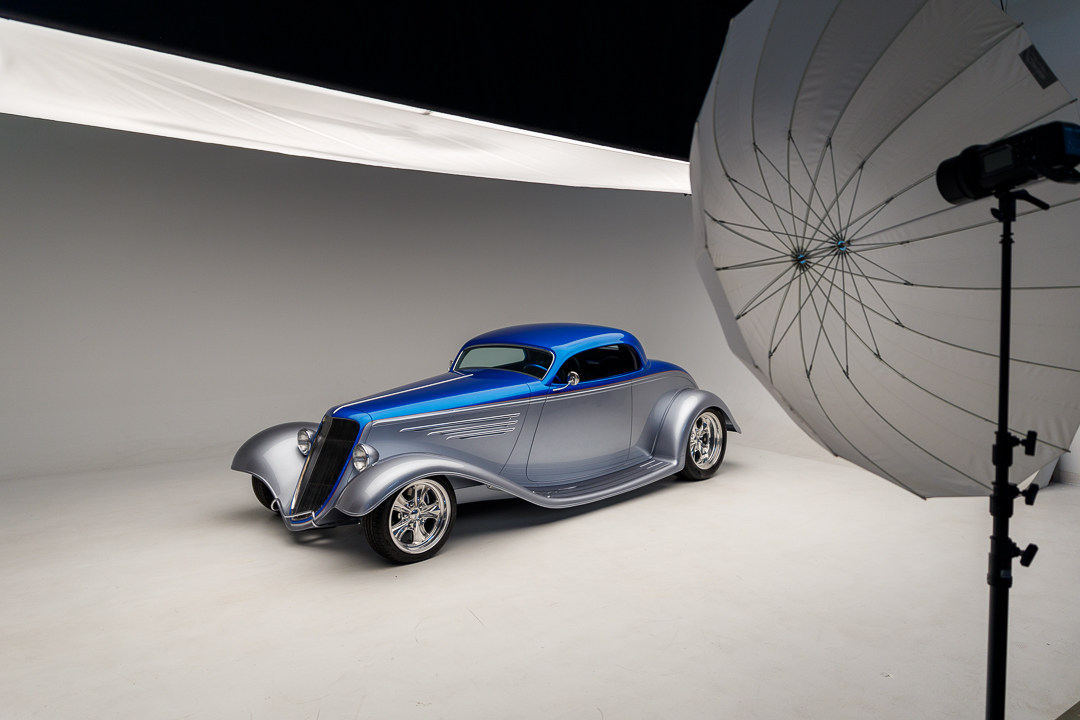
In celebration of Museum Week, a must see on your museum bucket list should be The Petersen Automotive Museum in Los Angeles, which features 100,000 square feet of exhibits, 25 galleries, and over 300 vehicles.

I had an opportunity to photograph Chip Foose’s beautiful 1933 Ford Coupe in the museum’s tremendous photography studio at the museum in 2019.

Chip and his team created this custom for Ron Brown and unveiled it at the 2015 SEMA Show in Las Vegas.

Photography

Museum Week: Sunnylands

CNR_1192

Today’s Museum Week flashback takes us to Sunnylands in Rancho Mirage near Palm Springs, California.


Sunnylands emerged onto the world stage when the historic estate was completed in 1966.

It has since welcomed eight U.S. presidents and world leaders, public intellectuals, celebrities, and friends and family. On many occasions, guests have engaged in dialogue that led to efforts to enhance international understanding and civil discourse.

Photography

Moon Jellies

SANL8985-1

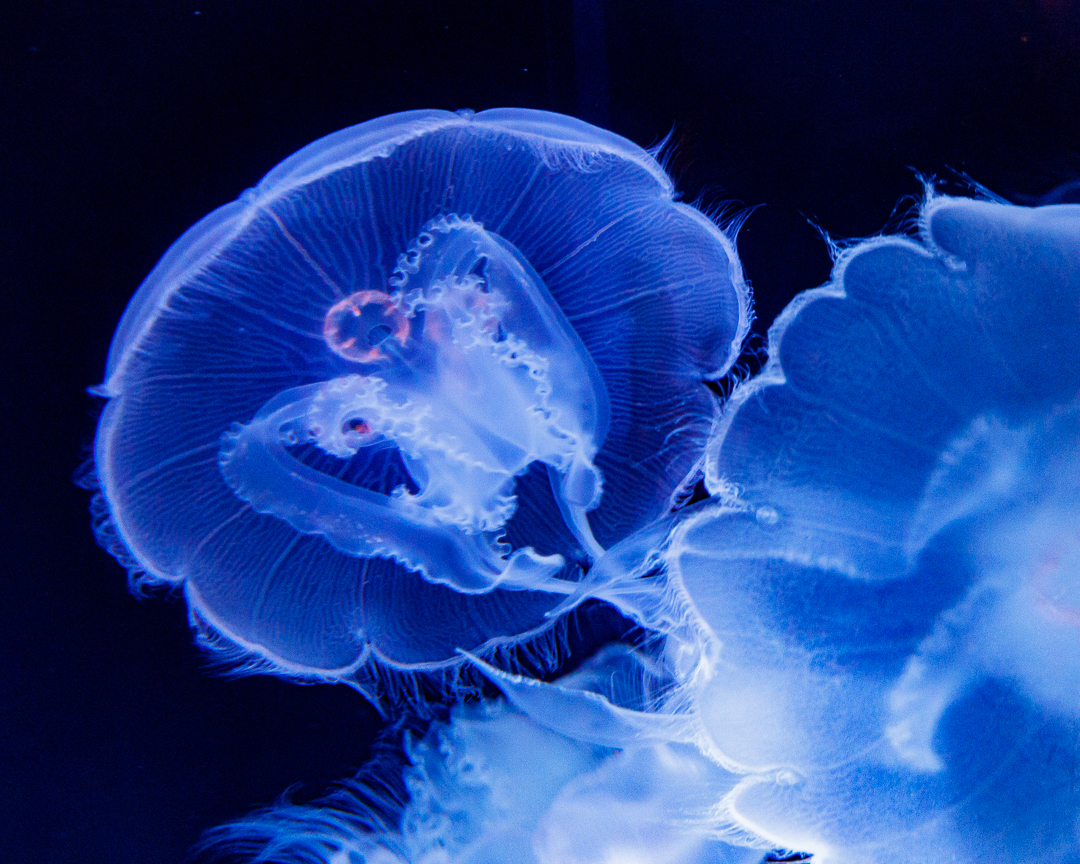
As part of our celebration of Museum Week, we reflect back on our visit to the Aquarium of the Pacific on October 6, 2019 to photograph these mysterious and beautiful translucent Moon Jellies. In the wild, they live in temperate areas of the Indian, Atlantic, and Pacific Oceans.

The toxins in this jelly’s stinging cells are not strong enough to penetrate human skin, making them safe to touch.